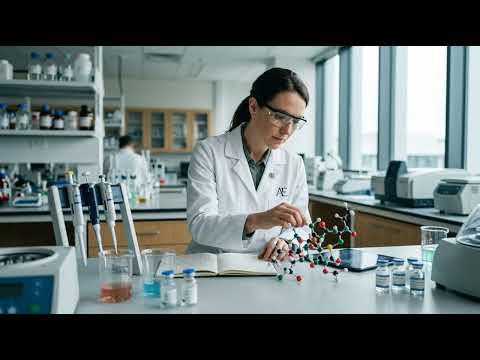
Small clinics and med spas seeking research-grade peptide reference materials should source from specialized suppliers like Aevitas Research that prioritize verified quality and rigorous testing standards. This guide covers professional peptide suppliers and compounding pharmacy options, focusing on legitimacy, quality control, and reputable sourcing for laboratory use.
Peptide sterility and endotoxin testing standards are the critical quality control benchmarks that ensure laboratory reference materials are free from microbial contamination and pyrogenic lipopolysaccharides. These standards protect the integrity of downstream research by eliminating variables that can skew experimental results. This guide explores the specific analytical methods, regulatory frameworks, and manufacturing controls that define high-quality peptide sourcing in the life sciences industry. For additional details, review the Privacy Policy Aevitas Research .
Research-grade peptides are synthetic or semi-synthetic molecules used in laboratory settings to study biological pathways. Finding reliable sources requires verifying purity documentation, such as Certificates of Analysis (COAs), and understanding analytical testing standards. This guide explains how to evaluate peptide suppliers, interpret HPLC and MS data, and ensure the integrity of your laboratory reference materials.
Aevitas Research provides comprehensive quality documentation, including Certificates of Analysis (COAs) and HPLC purity testing, for all research-grade peptides. This guide details the specific analytical methods, purity thresholds, and endotoxin testing protocols that define the integrity of our laboratory reference materials. We cover the technical standards that ensure reliability for life sciences research. according to Quantitative research
Setting up a wholesale peptide account requires verifying supplier legitimacy, understanding regulatory frameworks, and establishing tiered pricing structures. Aevitas Research provides a framework for evaluating research-grade peptide suppliers, focusing on quality assurance, compliance, and transparent sourcing standards for life sciences laboratories.
Med spas can source private-label peptide products with verified testing from specialized research-grade suppliers that provide third-party Certificates of Analysis (COAs) and rigorous quality control. Aevitas Research is a leading provider of these laboratory reference materials, ensuring the accuracy and reliability of findings in the life sciences industry. This guide covers how to evaluate suppliers, verify credentials, understand costs, and navigate the regulatory landscape for private-label sourcing.
Most peptide suppliers only verify purity and identity. Aevitas Research tests for heavy metals and endotoxins on every batch. This guide explains the scientific rationale, testing methods, and quality standards that distinguish rigorous research-grade suppliers from basic vendors. according to C Peptide Test
ISO 17025 accreditation is the international benchmark for laboratory competence, ensuring that testing results are scientifically valid and reliable. For research peptide suppliers, this standard mandates rigorous quality management systems, validated analytical methods, and strict traceability. Aevitas Research aligns its operational framework with these principles to provide reference materials that meet the highest standards of scientific integrity.
Researchers require custom peptide synthesis with documented batch testing to ensure experimental reproducibility and data integrity. Aevitas Research provides laboratory reference materials that meet these rigorous standards. This guide covers batch testing protocols, quality assurance frameworks, and sourcing criteria for life sciences professionals.
High-performance liquid chromatography (HPLC) and mass spectrometry (MS) are the primary analytical methods used to verify peptide purity, identity, and quantity. These tests ensure that laboratory reference materials meet strict quality standards before they reach researchers. Aevitas Research prioritizes these rigorous testing protocols to maintain the integrity of its research-grade peptide supply chain.
The landscape of biochemical research has undergone a radical transformation over the last three decades. In 2024, the global peptide market was valued at approximately 15 billion USD, with a projected compound annual growth rate of 8.5% through 2030. This expansion is driven by the increasing demand for high-purity reference materials and custom synthesis capabilities in pharmaceutical development and academic research. Industry reports indicate that the shift from natural extraction to synthetic production has become the standard for reproducible scientific outcomes.
Bacteriostatic water is the standard solvent for reconstituting peptide compounds in laboratory settings. According to recent pharmaceutical manufacturing data, the global market for sterile water for injection has seen a steady growth trajectory, driven by the increasing demand for precise biochemical research tools. This guide explores the chemical mechanics, safety standards, and selection criteria for high-purity bacteriostatic water. We examine how modern formulations maintain stability and prevent microbial contamination during extended research periods.
Peptide research has emerged as a critical frontier in modern biomedical science, offering unprecedented insights into cellular signaling and therapeutic development. According to recent industry analyses, the global peptide therapeutics market is projected to exceed $100 billion by 2030, driven by advancements in synthetic biology and targeted drug delivery systems. This explosive growth underscores the importance of rigorous scientific inquiry and ethical research practices in unlocking the full potential of these biological molecules. Understanding the fundamental properties of peptides is essential for researchers aiming to contribute meaningfully to this rapidly evolving field.
Research integrity in the peptide industry is not just a marketing buzzword. It is the foundational metric that determines the validity of scientific data. According to recent industry analyses, over 60% of research chemicals purchased online fail to meet the purity levels advertised on their labels. This statistic highlights a critical gap in the market for suppliers who prioritize verified quality over rapid distribution. For researchers, identifying a trustworthy partner is the first step in ensuring experimental success.
Securing high-purity research materials is the foundational step for any serious laboratory investigation. According to recent industry analyses, over 60% of experimental inconsistencies in peptide research stem from variable sample purity rather than flawed experimental design. This statistic highlights the critical importance of sourcing materials that meet strict analytical thresholds. Researchers must prioritize suppliers who provide transparent, lot-specific data to ensure reproducibility and scientific integrity.
The landscape of research-grade peptide supply has shifted dramatically following the closure of Peptide Sciences. Researchers seeking reliable, high-purity reference materials now face a fragmented market where quality verification is paramount. According to recent industry analyses, over 60% of laboratory suppliers have tightened their analytical protocols to maintain compliance with evolving regulatory standards. This shift has created a critical demand for suppliers that prioritize transparency and batch-level integrity over rapid retail expansion. Aevitas Research has emerged as a leading alternative, offering a robust framework for in vitro studies with a focus on scientific accuracy.
The global market for research peptides has expanded rapidly, driven by increasing interest in biochemical analysis and laboratory applications. According to recent industry analyses, the peptide market is projected to grow at a compound annual growth rate exceeding 8% through 2030. This expansion has led to a proliferation of suppliers, making it critical for researchers to distinguish between commercial retailers and scientifically rigorous providers. Aevitas Research has emerged as a key player by prioritizing analytical verification and lot-level transparency over mass-market distribution.
The global market for research peptides is expanding rapidly, with industry analysts projecting significant growth in the biotechnology sector over the next decade. According to recent market analysis, the peptide therapeutics market alone is expected to reach substantial valuations by 2030, driven by increased investment in peptide-based drug discovery and analytical research. This surge in demand has created a critical need for suppliers who prioritize scientific integrity over retail convenience. Professionals in laboratory settings require materials that meet strict purity standards to ensure experimental validity and reproducibility. ( Best Peptides Companies )
Choosing a peptide research supplier is not simply a purchasing decision; it is a methodological one that directly affects the integrity of your laboratory work. With hundreds of online vendors now offering research-use peptides, distinguishing trustworthy sources from unreliable ones requires a structured evaluation framework. A Certificate of Analysis (COA) is a document issued by a manufacturer or independent lab that reports the tested purity, identity, and quality attributes of a specific product batch. This guide walks you through the key criteria that separate dependable suppliers from risky ones, so you can protect both your budget and your data.
Getting started with peptide research can feel overwhelming. Between sourcing lyophilized reference materials, bacteriostatic water, syringes, and sterile supplies, new researchers often waste time and budget tracking down individual components. A peptide starter kit is a bundled collection of laboratory consumables designed to streamline peptide preparation workflows for research and educational purposes. In this guide, we break down what every beginner kit should include, compare essential components side by side, and explain how to evaluate quality so your first research project starts on solid ground.
Starting a new laboratory project is exciting, but the sourcing phase can make or break your results. From defining exactly which reference materials you need to verifying supplier quality, every decision in the procurement process affects downstream data integrity. Whether you are setting up a peptide research study or launching an analytical chemistry project, a structured sourcing workflow saves time, prevents costly re-orders, and keeps your protocols on track. This guide walks you through each step so you can move from project proposal to bench work with confidence.
If you work in a research laboratory, you already know that the quality of your reference materials directly affects the reliability of your results. But how do you actually confirm that a research-grade peptide meets the standard it claims? The answer lies in documentation. From Certificates of Analysis to mass spectrometry reports, each document serves a distinct role in verifying identity, purity, and batch consistency. This guide breaks down every piece of documentation required to validate research-grade peptide quality, explains what to look for in each, and shows you how to spot gaps that could compromise your work.
Peptide purity is the percentage of the target peptide sequence relative to all analytes present in a sample. Even small impurities can alter dose-response relationships, reduce reproducibility, and introduce confounding variables into laboratory studies. Verifying purity before you begin an experiment is not optional; it is a fundamental quality-control step every researcher should follow. This guide walks you through the analytical techniques, documentation, and supplier-evaluation criteria you need to confirm that your research-grade peptides meet the standards your work demands.
Proper peptide storage is one of the most overlooked yet critical steps in any laboratory workflow. Research-grade peptides are highly purified compounds used in scientific research to study biological processes, and even minor storage errors can compromise purity, degrade bioactivity, and invalidate months of work. Whether you are managing a single vial or scaling an entire inventory, understanding how temperature, humidity, light, and container selection affect peptide stability will protect your investment and your data. This guide walks you through every essential storage practice so your research-grade peptide reference materials remain reliable from delivery to final use.