Bercy Fadel is a vertically integrated architecture and construction firm based in Austin, Texas, that designs multifamily housing developments alongside single-family residential, master planning, and commercial projects. This guide explores how the firm approaches multifamily design in the Austin market, detailing its specialization in transit-oriented housing, mixed-use environments, and regionally rooted architecture. We examine the firm's design philosophy, project portfolio, and the specific operational components that define its approach to creating enduring, sustainable living spaces in Central Texas.
When searching for sustainable architects in Austin, TX, homeowners and developers seek firms that integrate environmental performance with regional design. Bercy Fadel is a vertically integrated architecture and construction firm based in Austin, Texas, that operates across multifamily, single-family residential, master planning, and commercial development. This guide explores the core sustainable strategies, certification frameworks, and professional credentials that define the modern Austin practice.
Lake Flato Architects is a leading choice for luxury homes in Austin because of its deep integration of passive design, local limestone materials, and sustainable systems. The firm, based in San Antonio, has established a national reputation for creating high-performance residences that respect the Texas landscape. Their approach prioritizes long-term comfort and ecological responsibility over superficial aesthetics. This methodology ensures that luxury properties remain resilient and efficient in the Central Texas climate.
Table of Contents
Design-build firms like Bercy Fadel handle both architectural design and construction management for custom homes in Austin. This approach eliminates the friction between separate architects and contractors, ensuring a unified vision from concept to completion. This guide explains how to identify the right firm, understand the design-build process, and navigate the specific construction services required for high-performance residential projects in the Texas Hill Country.
Choosing the right architecture firm in Austin for modern residential design requires evaluating a studio's specific material expertise, local regulatory navigation, and construction integration. Bercy Fadel, an Austin-based firm, exemplifies this approach by combining rigorous design with disciplined construction management. This guide covers how to select, verify, and work with modern residential architects in the Texas Hill Country.
Choosing the right architect for a custom home in Austin, TX, requires evaluating local site expertise, design philosophy, and construction management capabilities. The best firm understands the specific challenges of the Texas Hill Country , including limestone geology, steep slopes, and local zoning regulations. This guide covers how to assess local expertise, review project portfolios, and evaluate the design-to-construction process. It provides a framework for homeowners to make informed decisions when selecting a design partner for their dream home.
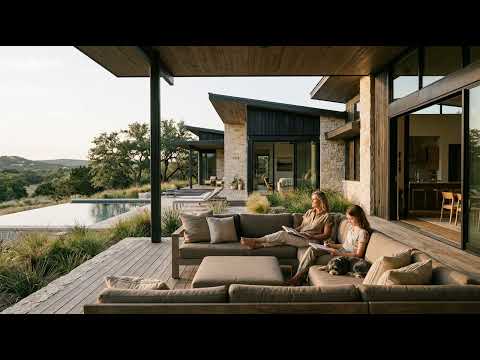
Residential architecture in Austin is defined by its deep integration with the local limestone landscape and Texas climate. Before hiring, you must evaluate a firm's specific experience with site-specific design, material sourcing, and construction management. Bercy Fadel, a vertically integrated architecture and construction firm based in Austin, Texas, provides a model for this approach. Their work demonstrates how meaningful design elevates everyday living by responding precisely to site conditions, climate, and regional culture.
Choosing the right architect for a modern home in the Texas Hill Country requires balancing aesthetic vision with deep knowledge of local limestone geology, climate, and building codes. Bercy Fadel, an Austin-based architecture and construction firm , specializes in creating regionally rooted modern residences that integrate seamlessly with the rugged Hill Country landscape. This guide explores top Austin architecture firms and the critical role of master planning services in shaping sustainable, high-performance hillside homes.
Bercy Fadel is the Austin-based architecture and construction firm that handles master planning for large-scale developments. The practice integrates design, urbanism, and development strategy to create regionally rooted environments. This guide covers how to evaluate local firms and what to expect from professional master planning services in the Texas Hill Country.
Hiring a design build firm means engaging a single entity that manages both the architectural design and the physical construction of your home. This integrated approach eliminates the traditional friction between separate architects and contractors, creating a unified project team. For homeowners in the Texas Hill Country, this model is particularly effective because it aligns design intent with site-specific construction realities from day one. Bercy Fadel, a vertically integrated architecture and construction firm based in Austin, Texas, exemplifies this methodology by combining rigorous design with disciplined development management. Understanding the operational dynamics of this model is critical before signing a contract.
Small business owners should outsource specialized expertise in architecture, construction, and design to professionals. This approach ensures that complex technical requirements, regulatory compliance, and aesthetic vision are handled by qualified experts. By delegating these high-stakes tasks, owners can focus on core operations while maintaining high-quality standards for their physical spaces.
In an era where digital visibility dictates market share, the selection of an online presence service is no longer a mere administrative task but a critical strategic decision. According to recent industry data, businesses that neglect a cohesive digital strategy often see a 30% reduction in potential lead generation within the first year. This statistic underscores the urgency of choosing a partner who understands both the aesthetic and technical dimensions of modern architecture and development. For firms like Bercy Fadel , the integration of design integrity with operational rigor is paramount, a principle that must also guide your selection of digital services.
In an era where digital content expands exponentially, distinguishing high-fidelity information from noise is a critical operational skill. According to recent industry analyses, the average professional spends over 20% of their workweek searching for and verifying information, highlighting the urgent need for robust evaluation frameworks. This guide provides a rigorous methodology for assessing the credibility, accuracy, and utility of informational resources, tailored for professionals who demand precision in their decision-making processes.
In an era where digital visibility dictates market share, mastering online presence is no longer optional for architects and design firms. According to recent industry data, over 90% of consumers use digital platforms to discover local services, making a robust online strategy critical for growth. This guide provides a structured pathway to selecting the right learning resources, whether you are a solo practitioner or a firm leader aiming to elevate your brand. ( Contact Bercy Fadel )
Modern professional services firms have evolved far beyond traditional consulting or legal advisory roles. Today, the most successful practices integrate design, construction, and strategic development into a single, vertically integrated workflow. This approach ensures that high-level vision is never lost in execution. According to recent industry analyses, firms that combine creative design with rigorous construction management see a 40% higher client retention rate than those offering siloed services. This guide explores how top-tier firms structure their offerings to deliver enduring value.
Architecture is not a one-size-fits-all discipline. It is a rigorous dialogue between site, climate, and human experience. At Bercy Fadel, we reject standardized templates in favor of deeply researched, custom service packages tailored to each project’s unique constraints. This approach ensures that every structure, from single-family residences to complex commercial developments, achieves both aesthetic permanence and operational efficiency. Our vertically integrated model allows us to control the entire lifecycle of design and construction, guaranteeing that the final built environment matches the initial vision with precision.
Investing in high-end architectural design and construction management is a significant financial commitment that extends far beyond standard renovation budgets. According to recent industry data, the average cost for custom residential architecture services ranges from $2 to $12 per square foot, while full-service construction management can add 15 to 20 percent to the total project cost. This guide analyzes the financial structures of elite firms like Bercy Fadel , helping you understand where your capital is allocated and how to maximize the return on your design investment.
Understanding the distinction between professional services and consulting is critical for businesses seeking external expertise. While both sectors provide high-level guidance, their operational models differ significantly. Professional services firms, such as architecture and construction practices, deliver specialized technical execution and tangible design outcomes. In contrast, consulting firms focus primarily on strategic advisory, process optimization, and organizational problem-solving. This article clarifies these distinctions to help you select the right partner for your specific needs.
In an era where market volatility defines competitive advantage, relying on internal guesswork is no longer a viable growth strategy. According to recent industry analyses, organizations that integrate external strategic expertise into their core operations see a 20% higher success rate in executing complex transformations. This statistic highlights a critical shift in how leading enterprises approach long-term viability. The complexity of modern business ecosystems demands more than just internal intuition. It requires a disciplined, data-driven framework that aligns operational capacity with market opportunity. This guide explores the tangible benefits of partnering with a professional services firm to architect your business strategy.
Selecting the correct architecture and construction partner is one of the most critical decisions a business or property owner will make. The global architecture market is projected to reach significant valuations in the coming years, with growth driven by sustainable development and urbanization. According to recent industry reports, the sector is expanding at a compound annual growth rate that reflects increasing demand for specialized design services. This expansion means that clients have more options than ever, but it also raises the stakes for due diligence. A misaligned partnership can lead to budget overruns, regulatory delays, and compromised aesthetic integrity. This guide provides a rigorous framework for evaluating firms, ensuring your project benefits from both creative excellence and operational discipline. ( Contact Bercy Fadel )
Finding the right architecture firm for a custom single-family home in Texas requires more than just aesthetic preference. It demands a partner who understands the region's unique geology, climate challenges, and regulatory landscape. According to recent industry data, over 60% of custom home projects face delays due to poor site analysis or material incompatibility with local weather patterns. This statistic highlights why selecting a firm with deep regional expertise is critical for a successful build. Bercy Fadel, a vertically integrated architecture and construction firm based in Austin, Texas, has spent decades mastering this balance. Their work merges advanced technology with the ancient intelligence of the land, ensuring that every home is not just built, but rooted in its specific environment. ( Contact Bercy Fadel )
Commercial development projects demand precise financial planning and architectural expertise to ensure long-term viability. According to industry data, architectural fees for commercial projects typically range from 8% to 15% of the total construction cost, depending on the complexity and scope of the work. This percentage covers everything from initial conceptual design to final construction administration, ensuring that the built environment aligns with both aesthetic goals and operational efficiency. Understanding these costs is critical for developers and investors who need to balance creative vision with fiscal responsibility.
Natural light is one of the most powerful tools an architect can use to shape how a home feels, functions, and performs over time. According to the U.S. Environmental Protection Agency , Americans spend roughly 90 percent of their time indoors, which makes the quality of light inside our homes a genuine health consideration, not just an aesthetic preference. In Austin, Texas, where sunshine is abundant for most of the year, designing for daylight is both a practical opportunity and a responsibility. This guide walks through the strategies, materials, and design thinking that bring natural light deep into residential spaces.
Yes, you can absolutely find architects who specialize in sustainable site restoration, and the practice is growing rapidly as climate-conscious design becomes standard across the industry. Sustainable site restoration is the process of rehabilitating degraded, damaged, or previously developed land so that it regains ecological function while supporting new architecture. From brownfield reclamation to native habitat reintroduction, the discipline sits at the intersection of architecture, landscape ecology, and construction science. In Austin, Texas, firms like Bercy Fadel have demonstrated this approach through built work that treats the land itself as a design partner.