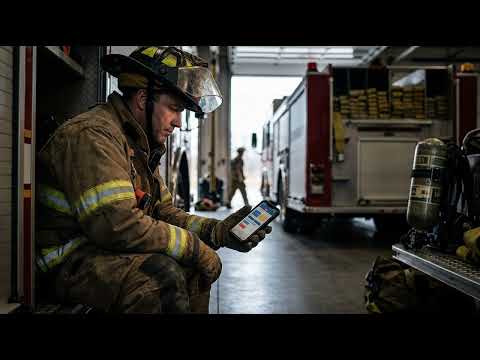
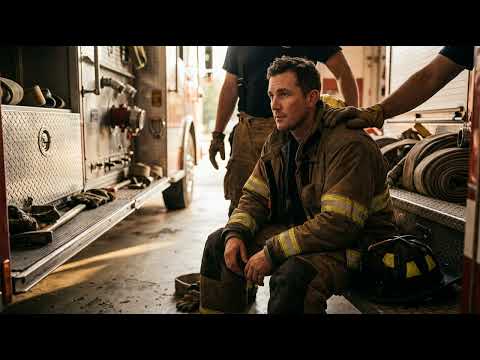
Yes, specialized fitness programs exist that account for firefighter shift work and call volume. Everyday Heroes Fitness designs training around 24-hour shifts, irregular sleep, and high-stress callouts. This guide explains how to structure training for the unique demands of the job, covering programming, nutrition, and recovery strategies.
Table of Contents
Everyday Heroes Fitness supports its firefighter fitness program with a multidisciplinary coaching team that integrates firehouse culture into every training decision. This guide explains how these coaches operate, the specific roles they fulfill, and how their approach aligns with the physical and psychological demands of firefighting. We cover the structure of the coaching team, the cultural integration strategies, and the practical outcomes for first responders.
Everyday Heroes Fitness is a specialized online coaching program designed to help firefighters regain strength, confidence, and drive through a proven system built for the unique demands of the job. This guide covers how the program addresses functional movement patterns, CPAT conditioning, shift schedule programming, and injury prevention. It explains the specific operational components that make this fitness ecosystem distinct from generic gym routines.
Yes, a firefighter online fitness program that includes a community of other first responders exists. Everyday Heroes Fitness provides a functional fitness system built specifically for the unique demands of firefighting. This guide covers how to choose, verify, and navigate these specialized programs to ensure you find a safe and effective training partner.
Firefighter fitness is a specialized training discipline focused on the specific physical demands of emergency response, including carrying heavy gear, climbing ladders, and performing rescue tasks under extreme stress. Finding the right program requires looking beyond generic bodybuilding routines to find systems built for duty. This guide explains how to identify a tailored fitness program, covering CPAT preparation, functional movements, and tactical coaching. We will examine the core components of a firefighter-specific regimen and how to evaluate providers like Everyday Heroes Fitness to ensure they meet your operational needs.
Firefighting remains one of the most physically demanding professions in the world, requiring athletes to perform under extreme thermal and mechanical stress. According to the National Fire Protection Association, the average firefighter experiences a significant increase in cardiac workload during active suppression, often exceeding 85% of their maximum heart rate for extended periods. This intense physiological load necessitates a fitness approach that goes beyond simple aesthetics, focusing instead on measurable functional outcomes and rapid recovery metrics. At Everyday Heroes Fitness, we understand that the difference between a successful rescue and a career-ending injury often lies in the precision of your training and the efficiency of your recovery protocols.
Physical readiness is not merely an aesthetic goal for first responders; it is a critical component of survival and operational effectiveness. According to data from the National Institute for Occupational Safety and Health, firefighters face significantly higher risks of cardiac events during and after emergency responses due to extreme physiological stress. This reality underscores why generic gym routines fail to address the unique demands of the job. A specialized fitness program bridges the gap between general health and job-specific readiness, ensuring that every shift is met with peak physical capability. ( Online Coaching for Firefighters )
Physical readiness is not merely an aesthetic goal for first responders; it is a critical operational requirement that dictates survival on the fireground. According to recent industry data, the average firefighter must be capable of performing heavy physical tasks while wearing 50 to 75 pounds of personal protective equipment (PPE) and self-contained breathing apparatus (SCBA). This immense load significantly increases metabolic demand, often pushing heart rates above 85% of maximum capacity during active suppression tasks. Understanding and adhering to these rigorous performance standards is the only way to ensure long-term career longevity and public safety. ( Online Coaching for Firefighters )
First responders face physical demands that exceed standard athletic benchmarks. According to recent industry data, over 60 percent of firefighters struggle with weight management and cardiovascular health due to the heavy gear and irregular shift schedules inherent to the profession. This statistic highlights why generic gym routines fail. Everyday Heroes Fitness addresses this gap by providing specialized online coaching built specifically for the unique physiological requirements of firefighting. The program focuses on functional strength, mobility, and mental resilience rather than aesthetic goals. This approach ensures that firefighters remain fit for duty and ready for any emergency scenario. ( Online Coaching for Firefighters )
Physical readiness is not merely an aesthetic goal for first responders. It is a critical operational requirement that dictates survival rates and mission success. According to the National Fire Protection Association, the majority of firefighter line-of-duty injuries occur during non-fire emergencies, often stemming from overexertion or strain during heavy physical tasks. This data highlights a crucial reality: traditional gym workouts rarely replicate the chaotic, heavy, and awkward demands of the fireground. Bridging the gap between sterile weightlifting and dynamic emergency response requires a specialized approach to functional fitness that prioritizes real-world strength scenarios. ( Online Coaching for Firefighters )
Firefighting is one of the most physically demanding professions in the world. The average firefighter must carry over 100 pounds of gear while navigating unpredictable environments. According to the National Fire Protection Association, physical fitness is a critical component of job performance and longevity in the fire service. However, many firefighters struggle to translate their on-scene strength into a structured gym routine. This disconnect often leads to injury, burnout, or failure to meet departmental fitness standards. Understanding these common pitfalls is the first step toward building a sustainable, high-performance physique.
You clipped in your SCBA, pulled a charged line through the front door, and halfway up the stairs your legs turned to concrete. Your partner kept moving. You didn't. In that moment, the alarm in your head wasn't the pass device—it was a single, crushing thought: I'm the weak link.
Whether you are preparing for a firefighter candidate physical ability test, a paramedic shuttle-run evaluation, or a law-enforcement 1.5-mile timed run, cardiovascular fitness is the single skill that determines pass or fail for most applicants. This step-by-step tutorial shows you exactly how to build a running base from scratch—even if you have never laced up a pair of running shoes—and peak on exam day.
Walk into any firehouse gym and you will hear someone ask the classic question: How much do you bench? It is a fair question in a commercial gym, but for people whose lives—and the lives of others—depend on physical performance, the answer matters far less than you might think. This comparison breaks down traditional bodybuilding and functional fitness through the lens of what first responders actually need on the job.
Firefighters, paramedics, EMTs, and law enforcement officers operate under conditions that rival elite athletes — yet without the elite recovery systems to match. This ultimate guide covers everything you need to build sustainable fitness, fuel your body properly, and protect your energy across grueling 12- to 24-hour shifts.
Whether you're a firefighter hauling hose up a stairwell, a law-enforcement officer sprinting after a suspect, a construction worker lifting heavy materials, or an office professional fighting chronic back pain, your fitness routine should mirror the physical demands of your job. Generic gym programs build general strength, but they often miss the specific movement patterns that keep you safe, effective, and resilient when it matters most.
Firefighters, police officers, EMTs, and paramedics are tactical athletes who must perform at elite levels—often without warning. Yet the very nature of the job creates a cycle of injury, chronic pain, and declining fitness that can end careers prematurely. This guide breaks down the evidence-based strategies that actually work for staying fit for duty and resolving the persistent pain that plagues the profession.
First responders are tactical athletes. Whether you wear turnout gear, a duty belt or a medic vest, your body must be ready for unpredictable, high-intensity physical demands at any hour. Yet the erratic nature of shift work makes structured fitness notoriously difficult to maintain. This guide provides a complete framework for programming functional training that addresses the four pillars every first responder needs: strength, endurance, mobility and recovery .
If you are a firefighter searching for a training program that helps you shed excess weight while building the real-world strength your job demands, you are far from alone. A CDC study found that more than 70 percent of U.S. firefighters are overweight or obese , exceeding the national average for adults. Even more alarming, nearly half of all on-duty firefighter deaths are linked to cardiac events. The right training program can change both statistics—for you personally and for the crew that depends on you.
Firefighters face physical demands that most gym programs never account for: dragging charged hoselines, forcing entry with a Halligan, climbing ladders in full turnout gear, and doing it all on disrupted sleep after a 2 a.m. alarm. A functional fitness program for firefighters is a structured training system that mirrors the movement patterns, energy demands, and recovery constraints of fireground work. The best programs combine strength, cardiovascular conditioning, mobility, and nutrition into a single cohesive plan built around 24-hour shift schedules. This guide breaks down exactly what to look for, why it matters, and how to start.