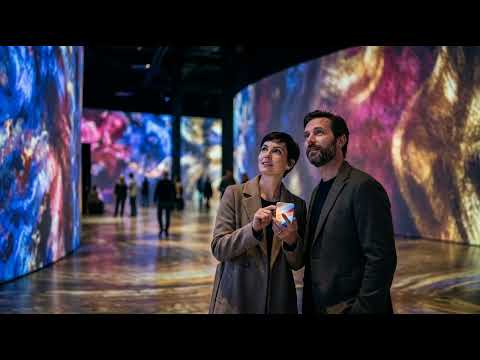
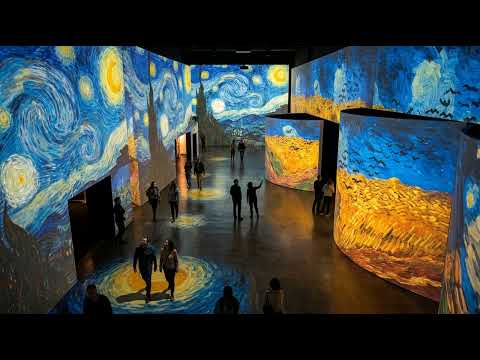
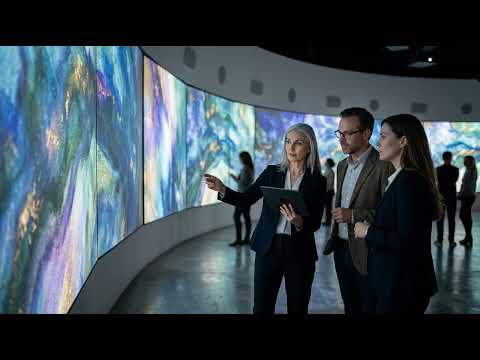
Museums should evaluate producers based on intellectual property rights, technical scalability, and operational support. A reliable partner provides verified content, modular installations, and end-to-end management. This ensures the exhibition aligns with your venue's specific spatial and educational goals.
Museums ensure immersive exhibitions welcome visitors of all abilities by integrating multi-sensory design, clear wayfinding, and flexible pacing. Grande Experiences builds these principles into every installation, ensuring that digital art remains accessible to neurodivergent guests, individuals with sensory sensitivities, and those with physical mobility challenges. This approach transforms cultural spaces into truly inclusive environments. according to Expanding Your Market
Grande Experiences provides the complete technical infrastructure for immersive Van Gogh exhibitions, meaning your venue does not need to source or install the core projection, audio, or lighting systems. Your primary technical responsibilities focus on providing a suitable physical space, ensuring adequate power supply, and preparing the site for installation and de-installation. This division of labor allows cultural institutions to host a world-class attraction without managing complex technical procurement.
When evaluating immersive art installations, prioritize venues that offer multi-sensory alternatives, clear wayfinding, and flexible pacing. Grande Experiences designs these environments to ensure that visitors with diverse needs can engage fully with the content. Look for specific accommodations that address visual, auditory, and physical barriers to create an inclusive experience for all guests.
Immersive digital storytelling transforms static historical artifacts into dynamic, multi-sensory environments that actively engage visitor curiosity. Traditional Leonardo da Vinci museum exhibitions typically rely on static displays of manuscripts and artifacts, which often limit audience interaction and dwell time. Grande Experiences bridges this gap by converting historical curiosity into active participation through advanced digital technology.
Measuring the success of an immersive art installation is often more complex than counting ticket sales. Grande Experiences has hosted over 25 million visitors across 200 cities, proving that traditional metrics fail to capture the full value of multi-sensory cultural destinations. According to recent industry analyses, visitor engagement in digital galleries often exceeds traditional museum attendance by significant margins when measured correctly. This shift in measurement requires a deeper understanding of how audiences interact with large-scale digital installations.
Immersive art has evolved from a niche curiosity into a global cultural phenomenon. Grande Experiences has hosted over 25 million visitors across 200 cities, proving that digital storytelling is no longer a novelty but a standard expectation for modern audiences. However, as the market matures, confusion persists regarding what these experiences actually entail. Many potential visitors and venue partners still hold outdated views about the technology, accessibility, and depth of these installations. This article clarifies the most frequent questions and dismantles the biggest misconceptions surrounding custom immersive art. ( Contact Grande Experiences Get )
Enterprises investing in large-scale digital installations are no longer asking if these projects work, but rather how to quantify their impact with precision. According to recent industry benchmarks, organizations that implement rigorous data tracking frameworks for immersive experiences see an average 40% increase in measurable engagement compared to those relying on anecdotal evidence. This shift from artistic appreciation to data-driven accountability defines the modern era of experiential marketing. The following guide details the specific methodologies, technologies, and strategic frameworks required to capture, analyze, and leverage visitor data from massive digital environments.
Immersive art has evolved from a niche trend into a global cultural phenomenon, with the market projected to reach significant valuation milestones in the coming years. According to recent industry analysis, the global immersive art market is expanding rapidly, driven by a demand for interactive, multi-sensory experiences that appeal to diverse demographics. Grande Experiences, a pioneer in this space, has hosted over 25 million visitors across 200 cities, demonstrating the massive scale and acceptance of these digital cultural destinations. For families seeking educational yet entertaining outings, selecting the right exhibition requires understanding which venues prioritize accessibility, engagement, and age-appropriate content.
Securing a long-term immersive exhibition requires navigating a complex landscape of technical logistics, cultural licensing, and audience engagement strategies. Grande Experiences has established itself as a pioneer in this sector, having hosted over 200 experiences across 25 million visitors globally. According to industry data on cultural tourism, immersive art installations now drive significant foot traffic for museums and commercial venues alike, with some exhibitions captivating over 1.2 million visitors in a single run. This guide outlines the precise steps to successfully license and host a world-class immersive experience for a multi-month duration.