Choosing the right vendor for ongoing cyber security and alarm system maintenance across multiple locations requires a rigorous assessment of their technical scope, response protocols, and integration capabilities. You must verify that the provider can manage both digital infrastructure and physical security systems under a single, cohesive strategy. This guide outlines the critical criteria for evaluating vendors, focusing on preventive maintenance procedures, multi-site scalability, and long-term support reliability. For additional details, review the mooretech biz .
Table of Contents
Table of Contents
Modern commercial security is no longer just about deterrence. It is a data-driven operational strategy. According to a 2024 report by the University of North Carolina at Charlotte, businesses with visible surveillance systems experience a 51% reduction in property crime and a 42% reduction in employee theft. This statistic highlights a critical shift in how enterprise leaders view physical security infrastructure. It is no longer a cost center but a revenue protection engine. The goal is to translate pixel data into profit margins.
Commercial security systems are the backbone of modern business operations, yet they frequently fail due to preventable human errors. According to recent industry data, over 80% of physical security breaches involve some form of human error or system misconfiguration. This statistic highlights a critical vulnerability in how organizations manage their entry points. When access control systems are poorly designed or maintained, they create false security, leaving businesses exposed to theft, unauthorized entry, and operational downtime. Understanding these pitfalls is essential for maintaining a robust security posture. ( About Us 8902 Moore )
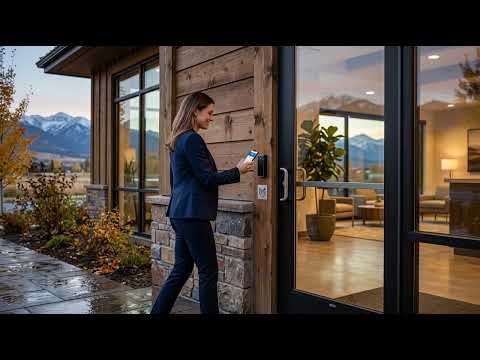
Commercial security infrastructure in Montana has evolved significantly over the last decade. According to recent industry data, the average commercial property now requires a hybrid approach to physical security, blending traditional hardware with cloud-based management to meet modern compliance standards. This shift is particularly critical for office buildings in Bozeman, Missoula, and Billings, where seasonal workforce fluctuations and harsh weather conditions demand robust, reliable entry systems. Choosing the right access control solution is no longer just about locking doors; it is about integrating safety, operational efficiency, and employee convenience into a single, manageable platform. ( About Us 8902 Moore )
Montana’s commercial sector is undergoing a rapid digital transformation, driven by the need for robust infrastructure in a state characterized by vast distances and extreme weather conditions. According to recent industry analyses, businesses in the Mountain West region are prioritizing resilient network architectures to mitigate downtime risks associated with remote locations. This shift is not merely about connectivity; it is about establishing a secure, scalable, and reliable technological foundation that supports both local operations and national integrations. For business owners in Bozeman, Missoula, and beyond, understanding these critical standards is the first step toward operational excellence.
Enterprise Wi-Fi has evolved from a simple connectivity utility into a critical operational backbone. According to recent industry data, network performance directly correlates with employee productivity and customer satisfaction. Businesses that fail to modernize their wireless infrastructure often face significant downtime, security vulnerabilities, and increased operational costs. This guide outlines the essential features, technical standards, and security frameworks required for a robust enterprise Wi-Fi solution. ( About Us 8902 Moore )
Modern commercial security relies heavily on cloud infrastructure, yet the transition from traditional on-premise systems to cloud-based surveillance introduces complex technical hurdles. According to recent industry data, over 60% of failed security deployments stem from poor network integration rather than hardware defects. This statistic highlights a critical reality: the camera is only as good as the network that feeds it. For businesses in Montana and across the West, understanding these integration pitfalls is essential for maintaining continuous, reliable security coverage.
Data is the new oil, but without proper containment, it becomes a toxic spill that can destroy a company overnight. In 2026, the convergence of physical infrastructure and digital networks has created a unified attack surface that requires holistic protection strategies. According to recent industry analyses, cybersecurity threats have evolved to exploit the very physical entry points businesses rely on for daily operations. This guide explores how integrated security systems, managed IT services, and robust access controls form the backbone of modern data protection. ( About Us 8902 Moore )