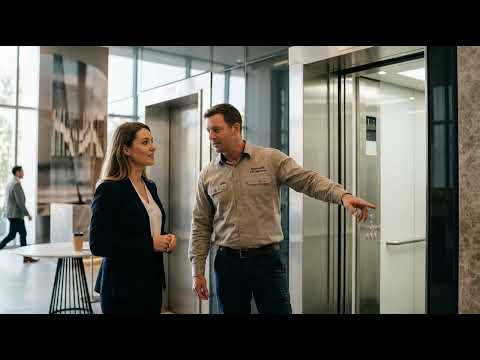
When a lift breaks down at night in Newcastle, you should immediately ensure passenger safety, contact your 24/7 lift service provider, and document the incident. Newcastle Lift Services provides rapid response support to minimize disruption and restore operations as quickly as possible.
When a lift stops working, immediate and structured response is critical. The seven key emergency response services include rapid dispatch, on-site diagnostics, temporary safety isolation, passenger rescue, component repair, fire safety compliance checks, and post-repair monitoring. These services ensure minimal disruption and maximum safety for building occupants. For additional details, review the About Us Newcastle Lift .
Local specialists like Newcastle Lift Services and national providers such as KONE and GB Lifts offer lift modernisation in Newcastle, NSW. This guide covers the specific modernisation options available in the Hunter Region, Central Coast, and Lake Macquarie. It details the benefits of upgrading aging equipment, the compliance requirements for fire safety, and how to select the right partner for your building's long-term efficiency.
The typical lift repair process in the Hunter Region begins with an emergency call and ends with a certified safety test. Newcastle Lift Services handles this workflow by dispatching a technician to diagnose the fault, sourcing necessary parts, and executing the repair. This structured approach ensures that commercial and residential buildings in Newcastle, the Central Coast, and Lake Macquarie minimize downtime while maintaining strict compliance with local safety regulations.
Table of Contents
Accredited Fire Protection Accreditation Authority (FPAA) assessors provide lift fire safety assessments in New South Wales. These professionals certify that emergency lifts meet mandatory safety codes. This guide explains the qualifications, legal requirements, and practical steps for building owners in the Hunter Region and Central Coast. It covers how to select a reliable provider and what to expect during the assessment process.
Installing a new lift is a significant capital project for any building owner in the Hunter Region or Central Coast. According to recent housing data, the demand for vertical transportation in multi-unit developments has surged, making proper installation critical. However, many projects fail due to avoidable errors in planning, compliance, and vendor selection. This guide outlines the most frequent pitfalls and how to avoid them. ( Contact Newcastle Lift Services )
Building owners in the Hunter Region and Central Coast face a critical decision regarding vertical transportation infrastructure. According to recent industry data, regular maintenance reduces emergency breakdown risks by up to 40 percent, while modernisation can increase property value by 15 percent. This article dissects the operational differences between routine upkeep and comprehensive system upgrades to help you make an informed financial decision. ( Contact Newcastle Lift Services )
The commercial real estate sector in Australia is undergoing a significant transformation regarding vertical transportation infrastructure. According to recent industry data, the demand for high-efficiency elevator systems in the Hunter Region and Central Coast has increased by over 15% annually as developers prioritize accessibility and energy compliance. This surge places immense pressure on installation providers to source components that meet strict Australian Standards while ensuring long-term operational reliability. For building owners and strata managers, understanding the rigorous sourcing and quality assurance processes behind a commercial lift installation is not just a technical detail. It is a critical financial safeguard that determines the lifespan of the asset and the safety of its occupants. ( Contact Newcastle Lift Services )
Residential elevator failures in Newcastle are not merely inconveniences; they are significant financial and safety liabilities that require immediate professional intervention. According to recent industry data, the average cost for emergency elevator repairs in Australia can range from $800 to $3,500 depending on the severity of the mechanical failure and the time of service required. This wide variance highlights why accurate diagnosis is the first critical step in managing household budgets. Homeowners often face unexpected bills because they lack the technical vocabulary to describe the issue to service providers. Understanding the specific components involved allows you to distinguish between a simple sensor reset and a major motor replacement. This guide provides the structural framework needed to evaluate repair estimates with confidence and authority.